Summary
The Challenge
The Solution
The Result
Testimonials
Deployment Architecture
Featured Products
FAQs
Next Steps
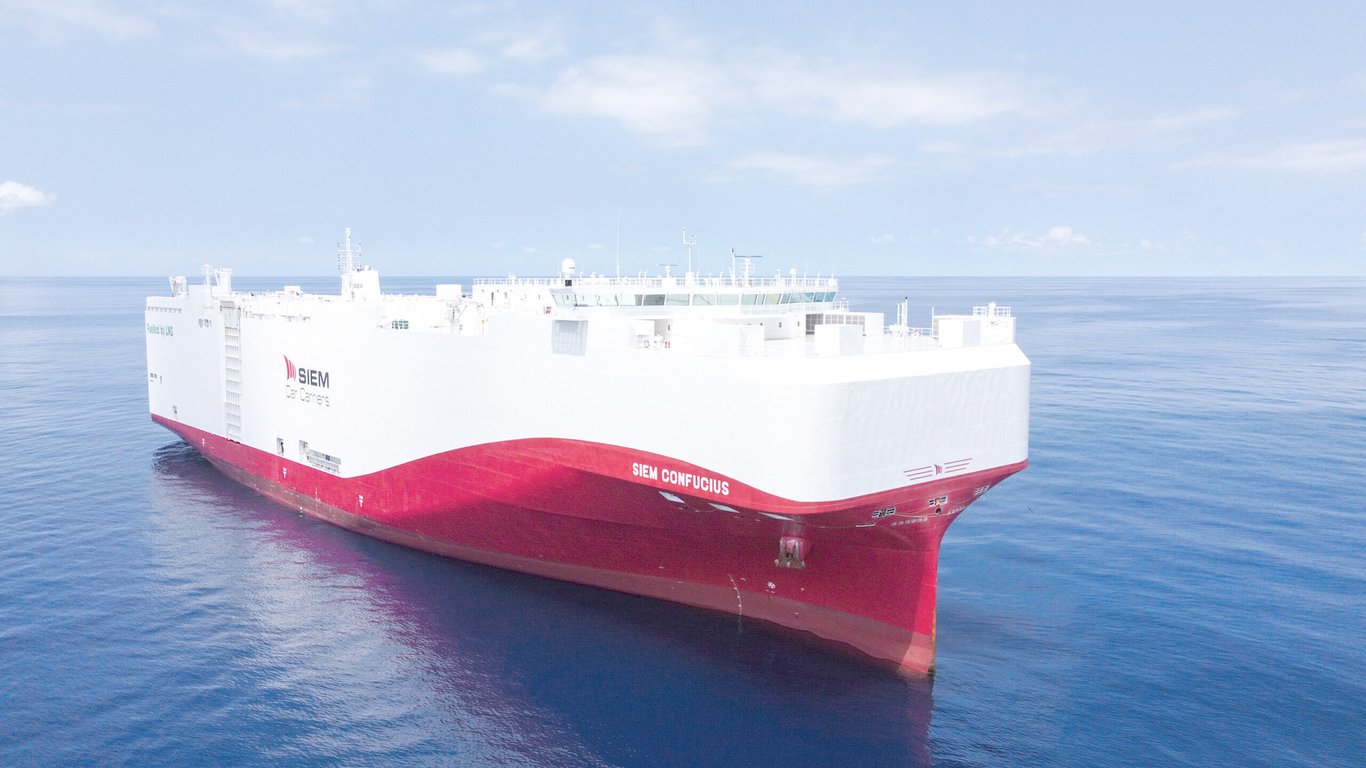
SIEM Shipping Ro-Ro vessel SIEM Confucius sailing on open water.

Back to List

SIEM Shipping Ro-Ro vessel SIEM Confucius sailing on open water.
2025

FINALIST

Deployment Excellence Awards

Create Your Own Category: Maritime EdgeTech Award

SIEM Shipping Builds Reliable Maritime Connectivity with Starlink, 5G, and Peplink

When a ship’s only internet link fails at sea, the crew loses contact with home and IT can’t reach the vessel until the next port. SIEM Shipping removed that single point of failure with maritime connectivity that layers two Starlink connections, 5G, and Iridium backup on one Peplink router, managed from shore through InControl.

Summary

Organization

SIEM Shipping (Ro-Ro vessel operator)

Application

Maritime connectivity for ship systems, crew welfare, and remote fleet management

Solution Provider

Rio Innovations (Peplink Reseller), with Frontier UK (Peplink Distributor)

Project Scope

Up to six WAN links per vessel across Starlink, 5G, LTE, and Iridium Certus, scaled from a two-ship proof of concept to a fleet-wide rollout

Outcome

Backup links on every ship, 5G up to 85 km offshore, 1 GB of crew data per person per day, and remote access to every vessel

SIEM Shipping logo.
SIEM Shipping is part of the Siem Industries group. Its fleet carries cars, trucks, rolling cargo, and refrigerated goods, and its ship management arm runs reefer, container, Ro-Ro, and car carrier vessels on routes that move between coastal waters and open ocean.
Onboard, one network has to carry ship systems, business traffic, and the crew’s link to home. That’s why SIEM Shipping relies on Peplink, deployed by Peplink Reseller Rio Innovations, to keep every vessel online and manageable from shore.

The Challenge

The Challenge: One Failure Could Take a Ship Offline Until the Next Port

Without a backup link, a single failure could cut a ship off completely. Crew would lose contact with family, operations would lose their link to shore, and IT would have no way to fix it remotely.
Conventional satellite service was expensive and slow. Starlink brought fast internet to sea, but it is restricted in some regions. Paired with legacy equipment, it also gave IT no control over data use, so plans ran out fast and ended in overage bills or a full cutoff.
SIEM Shipping needed four things on every ship: more than one way online, firm control over data costs, fair internet for the crew, and full management from shore.

The Solution

The Solution: One Peplink Router Ranks Every Link on the Ship

SIEM Shipping asked Rio Innovations to design a network that keeps ships online without runaway data costs. Rio Innovations proved it on two ships first, then began rolling it out across the fleet.
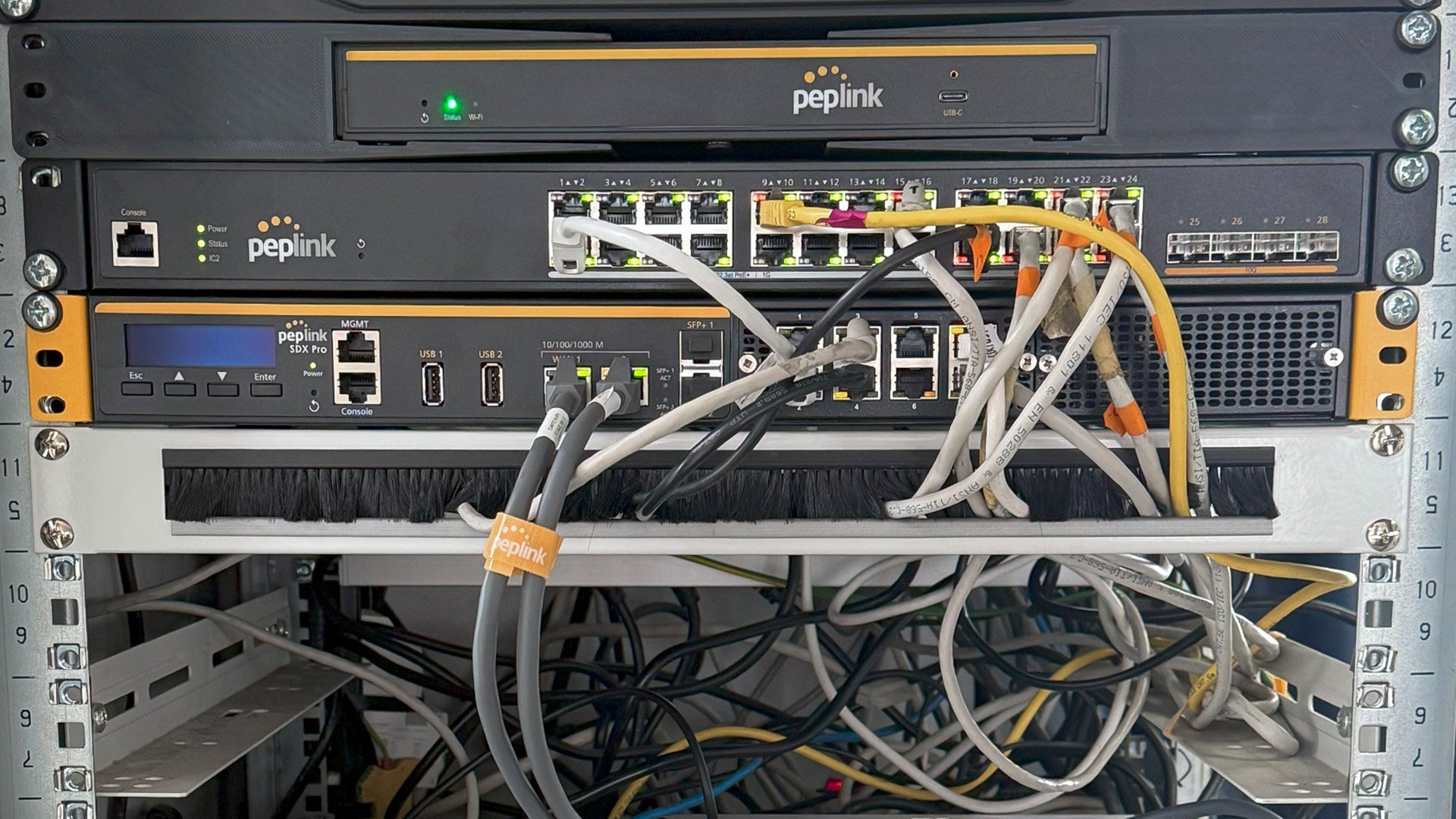
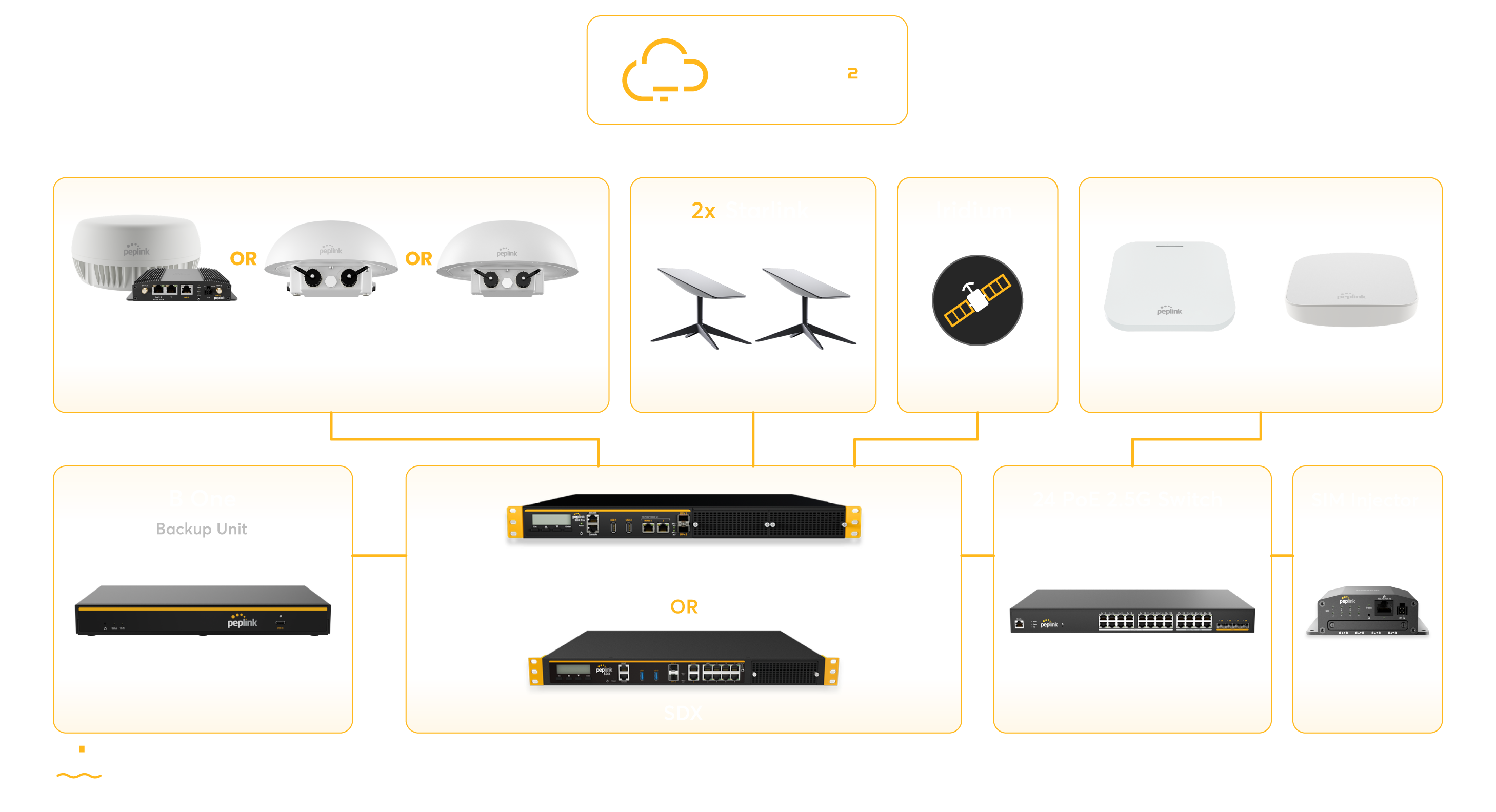
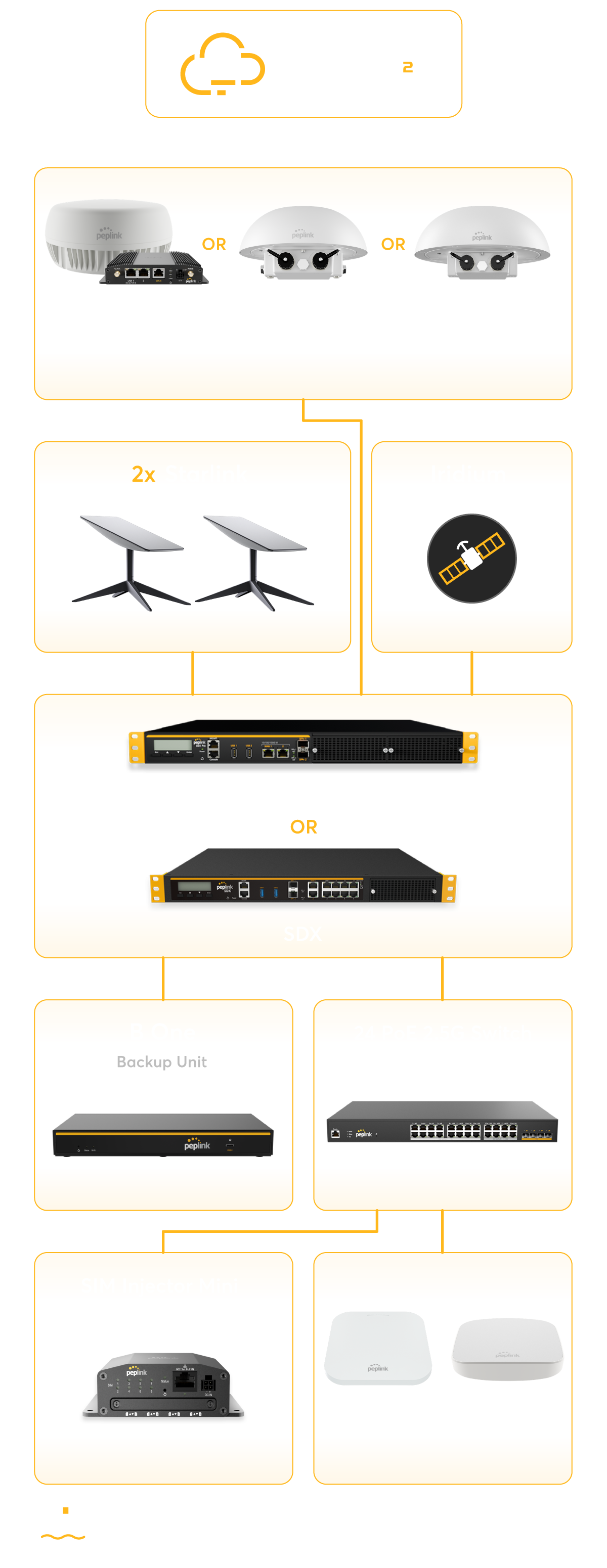
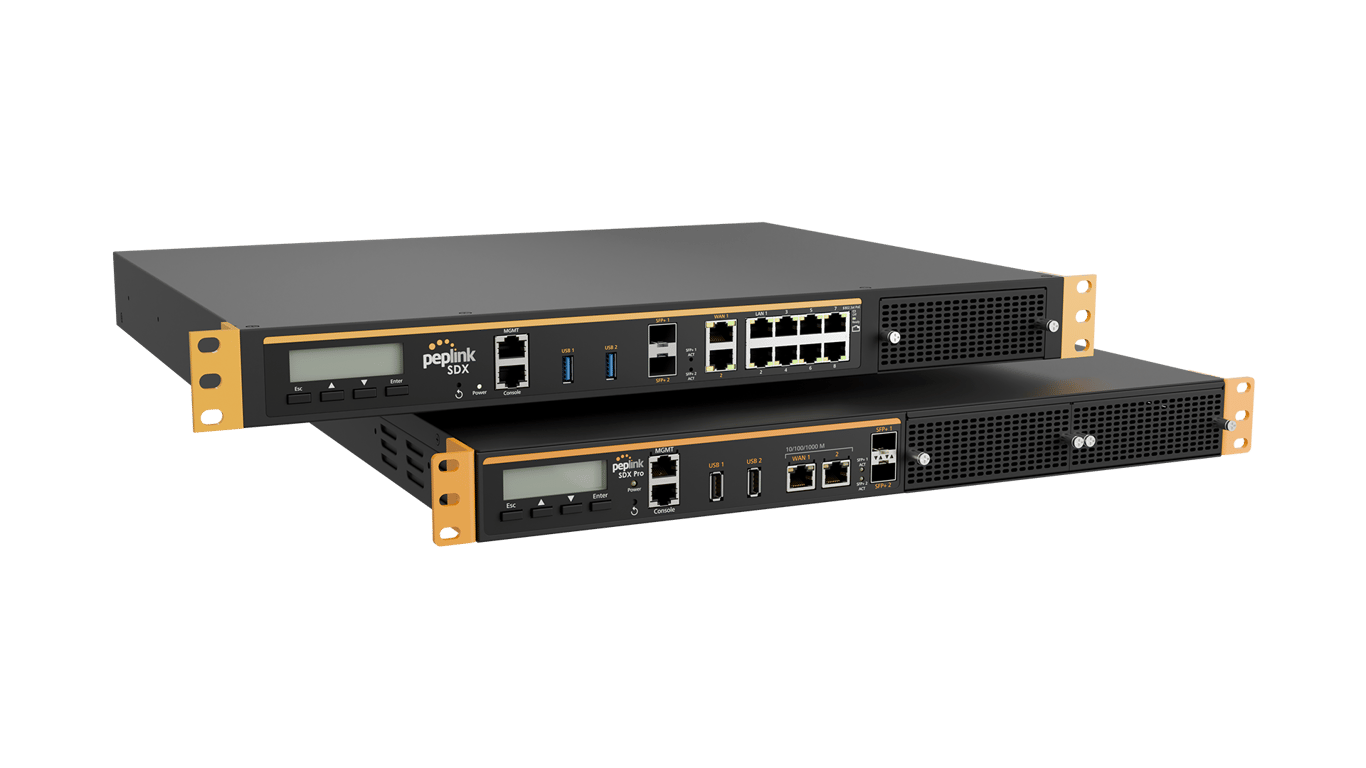
Keep ship systems online. At the center of each vessel, a Peplink SDX or SDX Pro manages up to six WAN links in a set priority order:
1. Business Starlink: the primary link for ship operations
2. Crew Starlink: a separate link for crew internet
3. 5G: added automatically whenever the ship is in range of shore
4. Iridium Certus: backup for ship systems only, with bandwidth limits to prevent unexpected costs
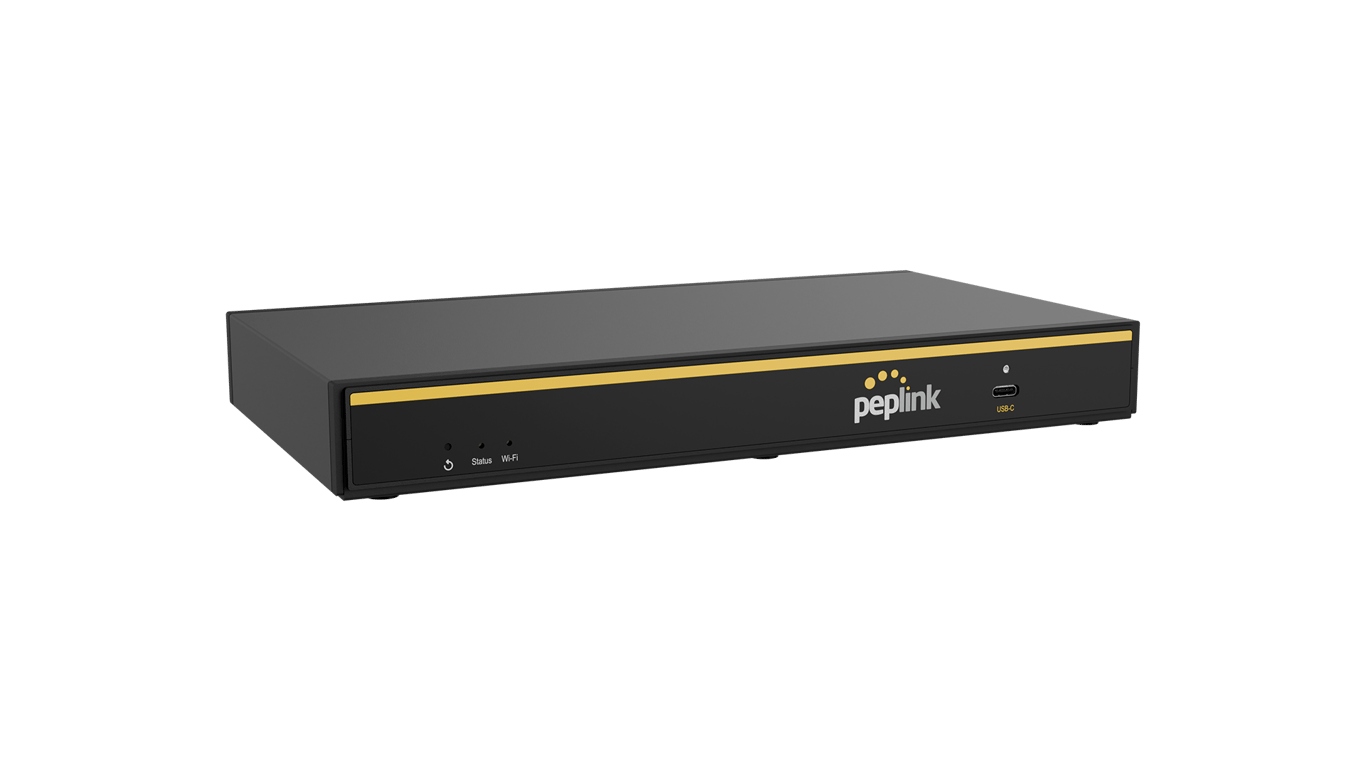
A B One router adds a backup unit to the mix.
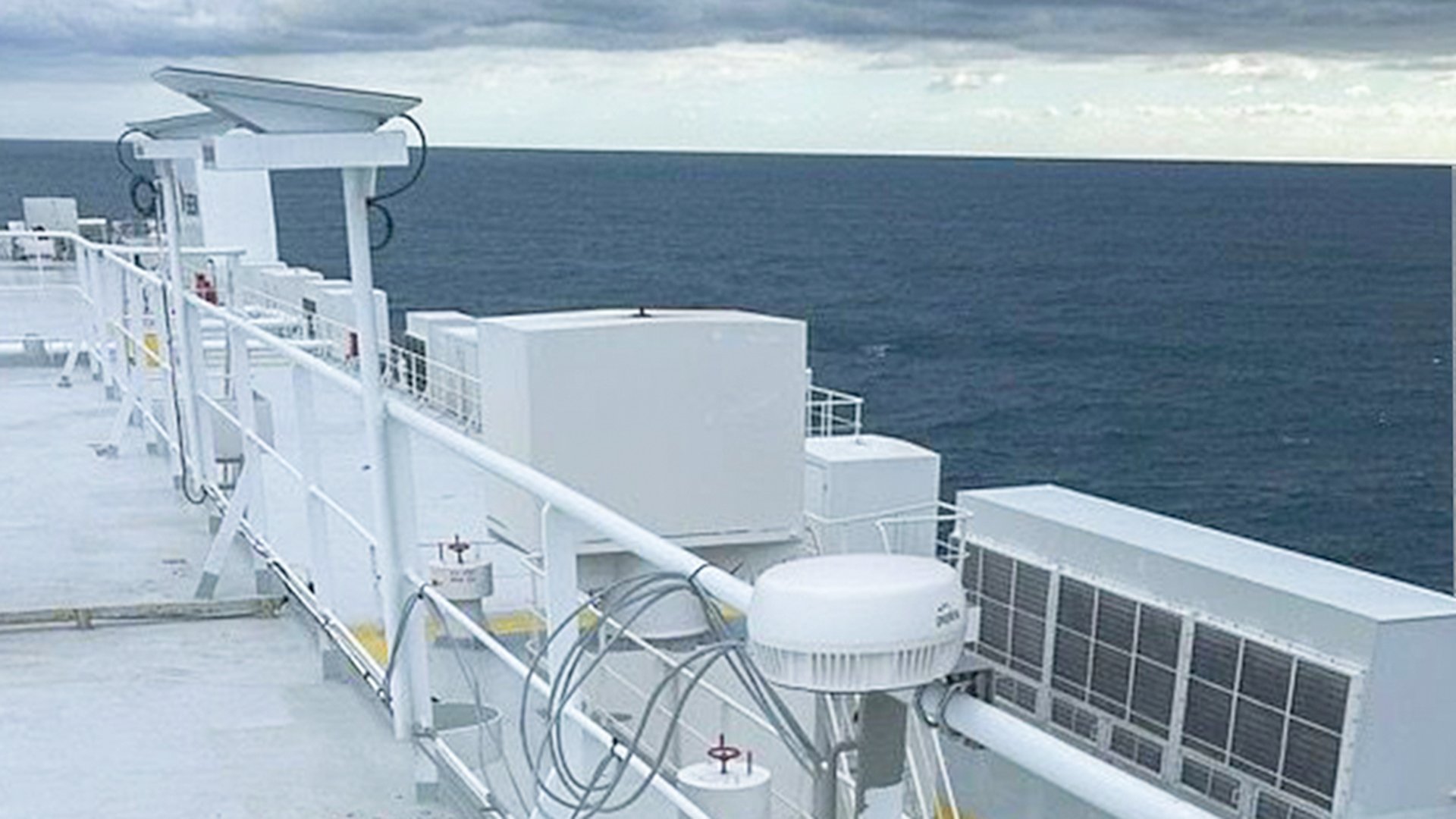
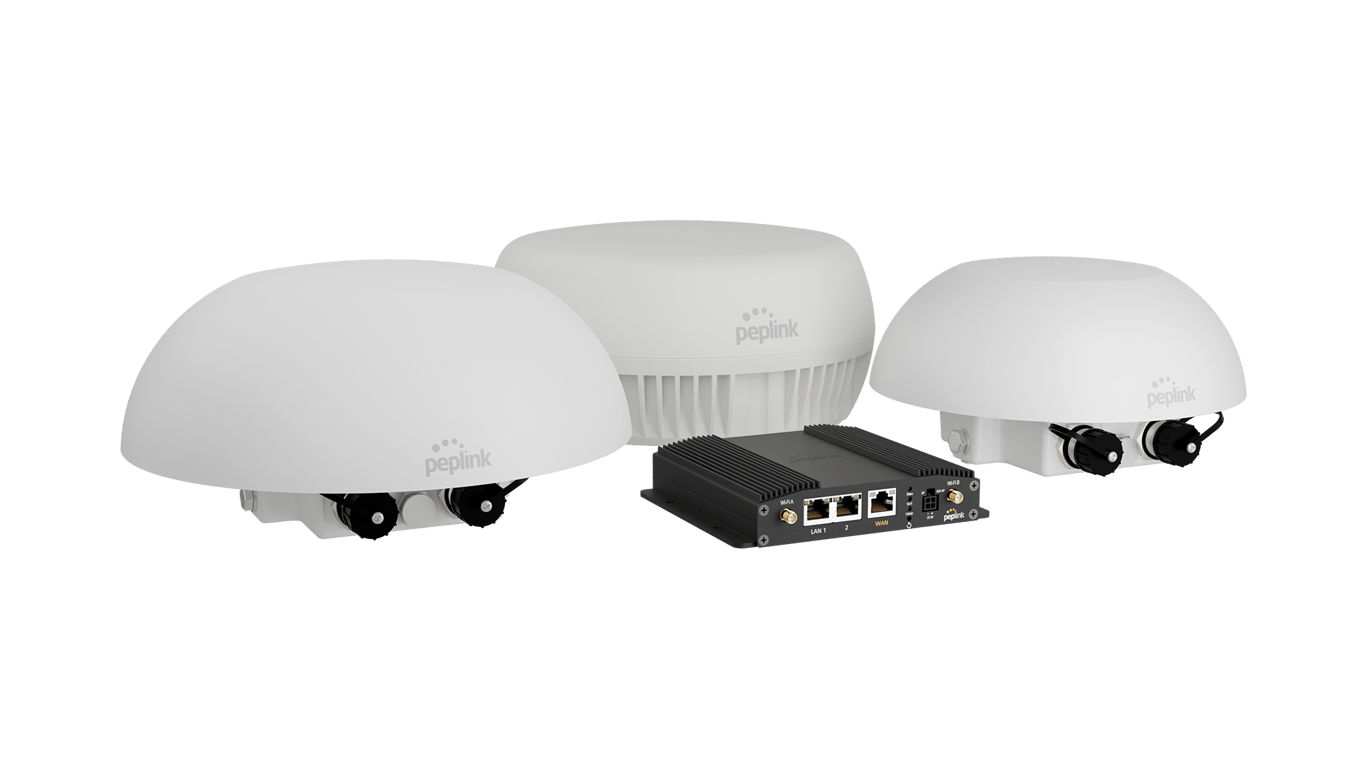
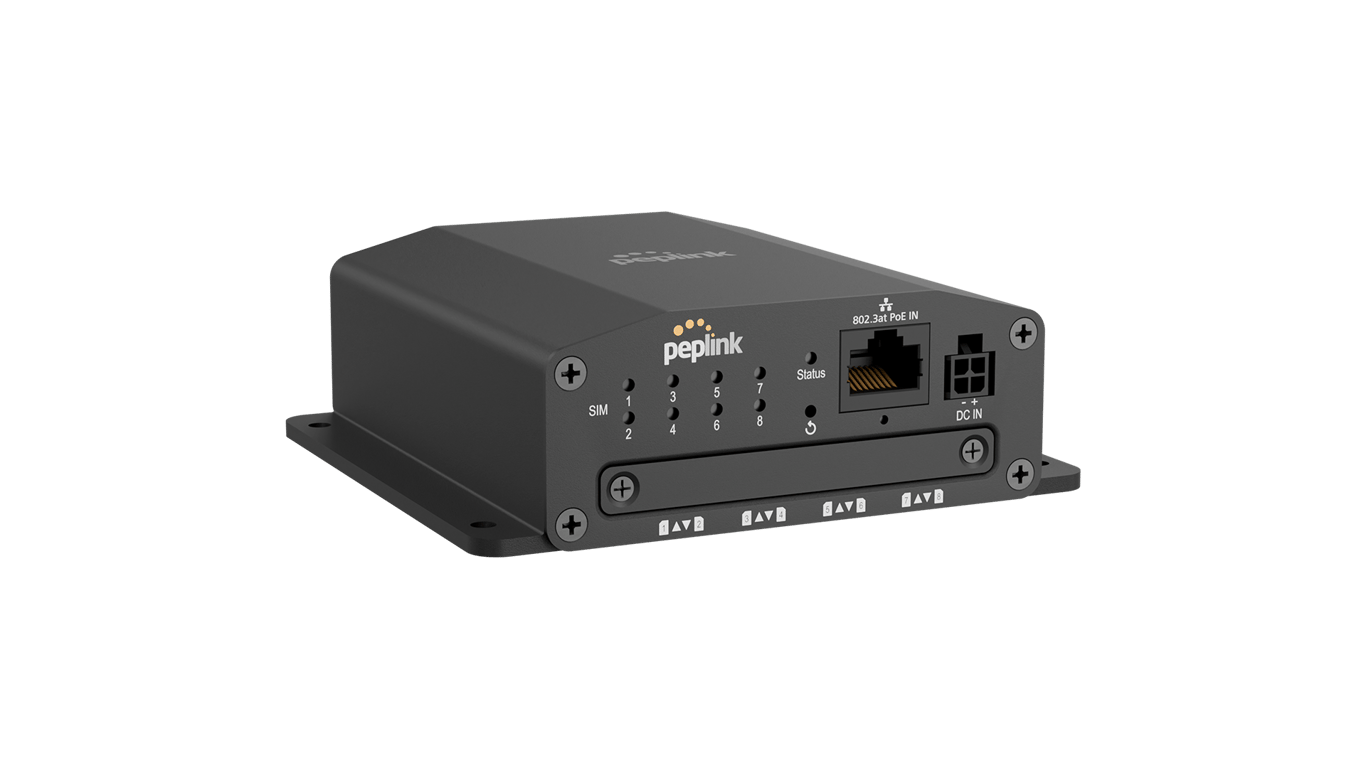
Bring in 5G near shore. Depending on the route, 5G comes from a Dome Pro Duo, an HD1 Dome Pro, or a MAX BR1 Pro 5G housed inside an Antenna MAX enclosure. Each unit connects to the SDX in Synergy Mode, so the SDX uses their cellular links as its own WAN connections. A SIM Injector Mini holds up to eight carrier SIMs for remote switching.
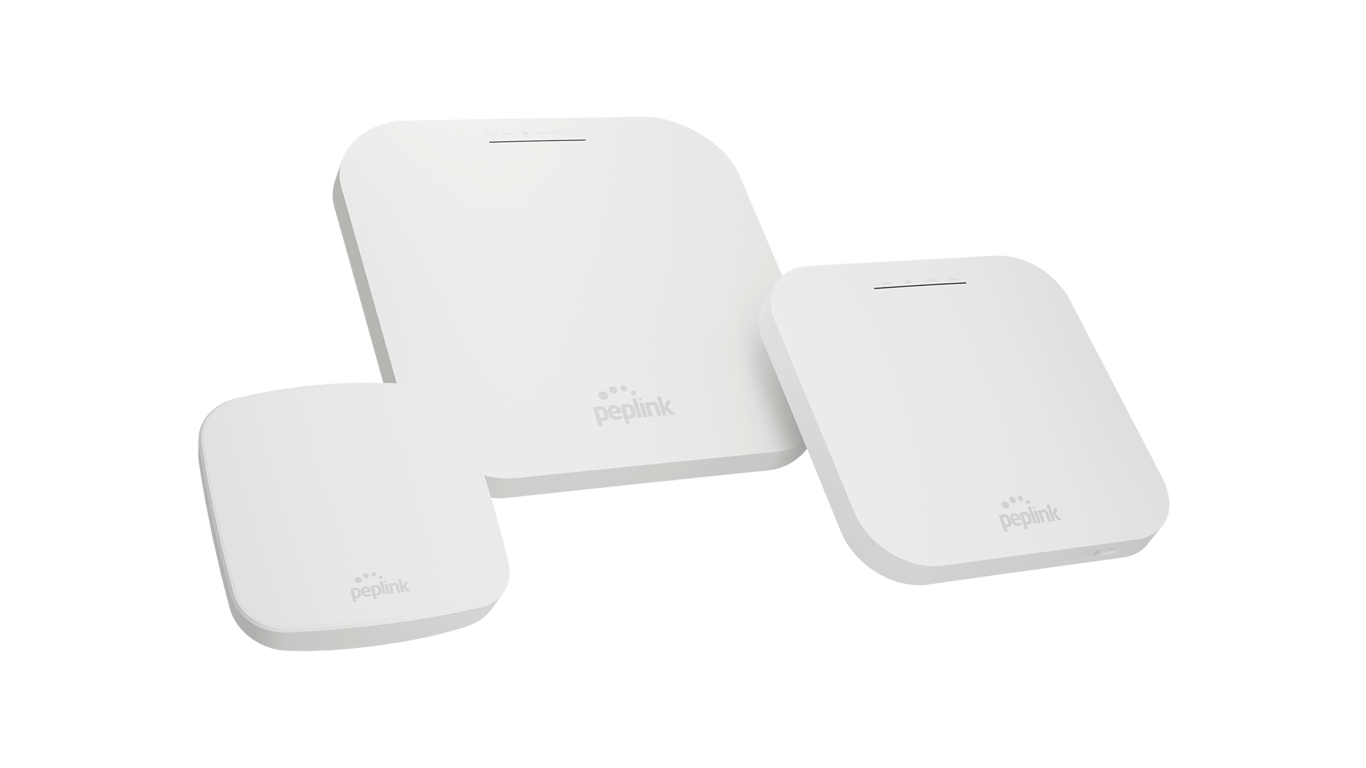
Give the crew fair internet. AP One AX and AP One Mini access points run separate SSIDs and VLANs for the crew. Together they replaced the previous access points, which had firmware adoption issues. A captive portal gives each crew member 1 GB of data per day, then opens a bandwidth-restricted messaging portal so they can keep chatting on WhatsApp.
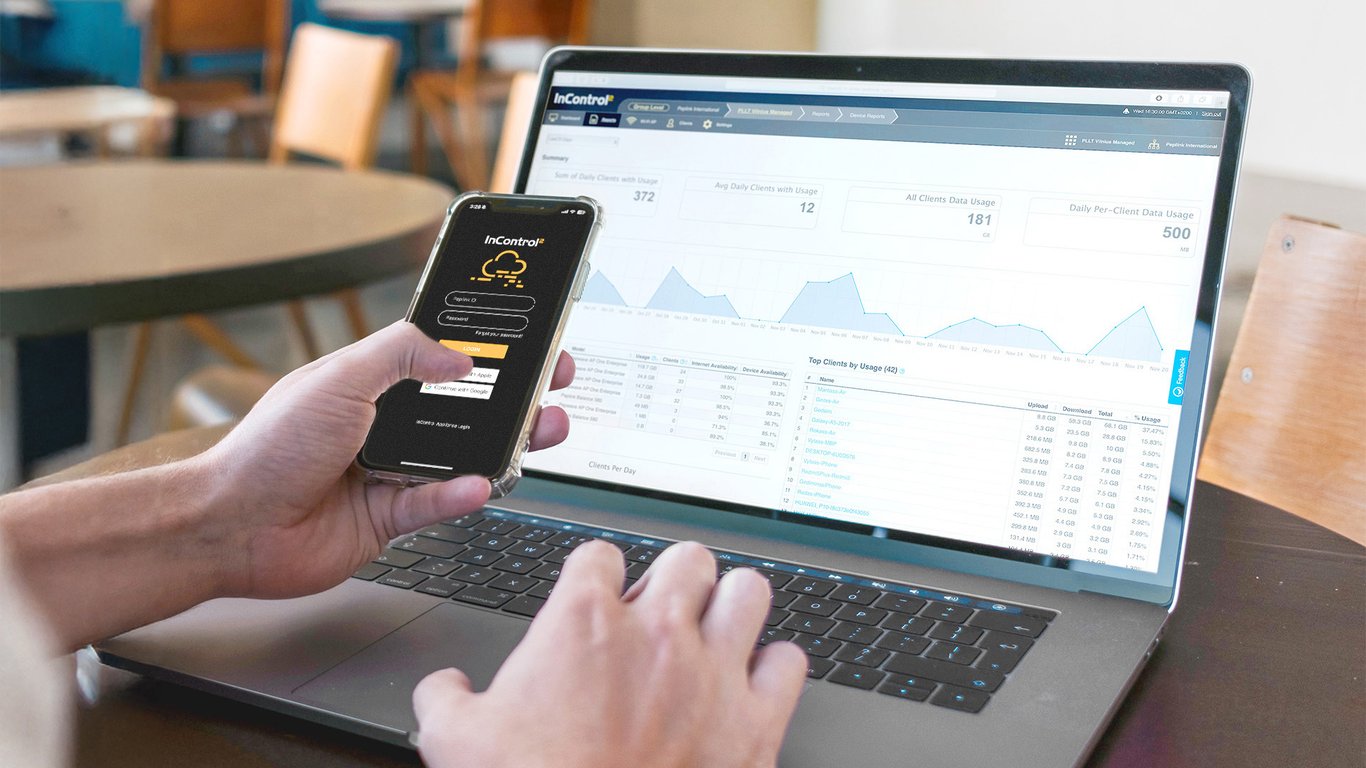
Run it all from shore. Every device sits in InControl, Peplink's cloud management platform, so IT sees each vessel’s location, status, and data use in one place.

The Result

The Result: Every Ship Stays Online Even When a Link Drops, with 5G Up to 85 km Offshore

One failed link no longer takes a ship offline. Traffic moves to the next link in line, and IT keeps remote access the whole time.
The 5G layer is proving highly effective on both performance and cost. Rio Innovations recorded full-strength 5G 62 km off the coast in the English Channel and regularly sees cellular connectivity 85 km offshore, giving ships a fast, low-cost link alongside Starlink near shore. Further out, Starlink carries the load, and Iridium keeps ship systems online when nothing else can.
SIEM Shipping’s IT team now tracks data use, creates crew access PINs, and manages VLANs itself, without third-party help.
SIEM Shipping reports smoother operations, reduced costs, and improved crew satisfaction. What started as a two-ship proof of concept is now a fleet-wide rollout, with Rio Innovations leading.

Testimonials

The deployment of Peplink with Starlink by Rio Innovations on our ships has improved onboard connectivity. Benefits include enhanced connectivity speeds, reduced costs, and remote monitoring to ensure crews remain connected with their friends and family while maintaining essential ship connectivity operations. The rollout is planned to continue across the entire fleet in the coming months.

Robert Bate

IT Manager, SIEM Shipping

Reliable internet onboard ships is essential for operations. If you’re looking for seamless connectivity with Starlink integration, Peplink offers a viable option. This project demonstrates SIEM’s commitment to providing reliable, redundant, and high-performance connectivity solutions for maritime operations. The collaboration with Rio Innovations in this project was characterized by creativity, cost-efficiency, and effective teamwork.

Przemyslaw Wiczk
IT Engineer, SIEM Shipping
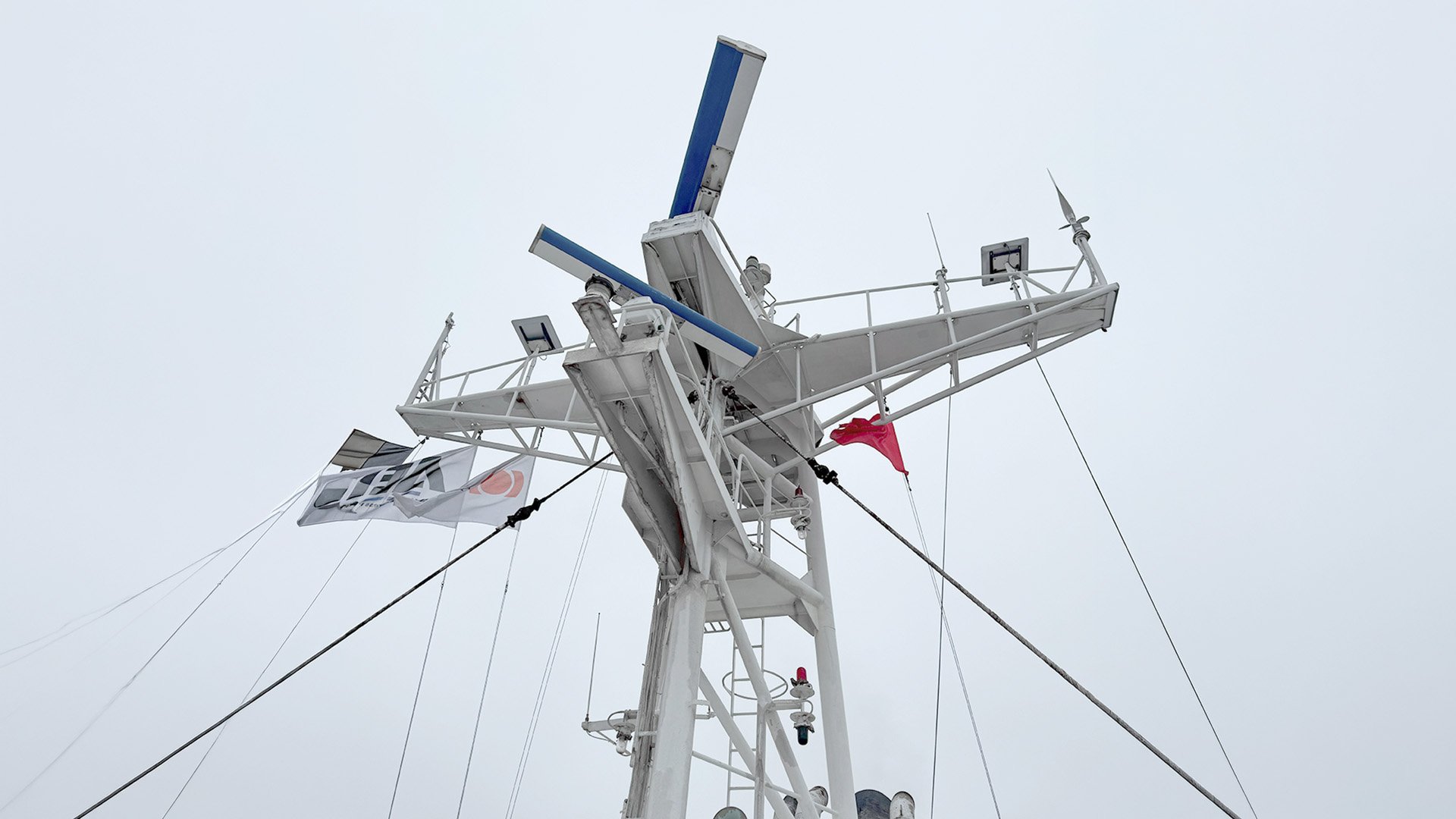
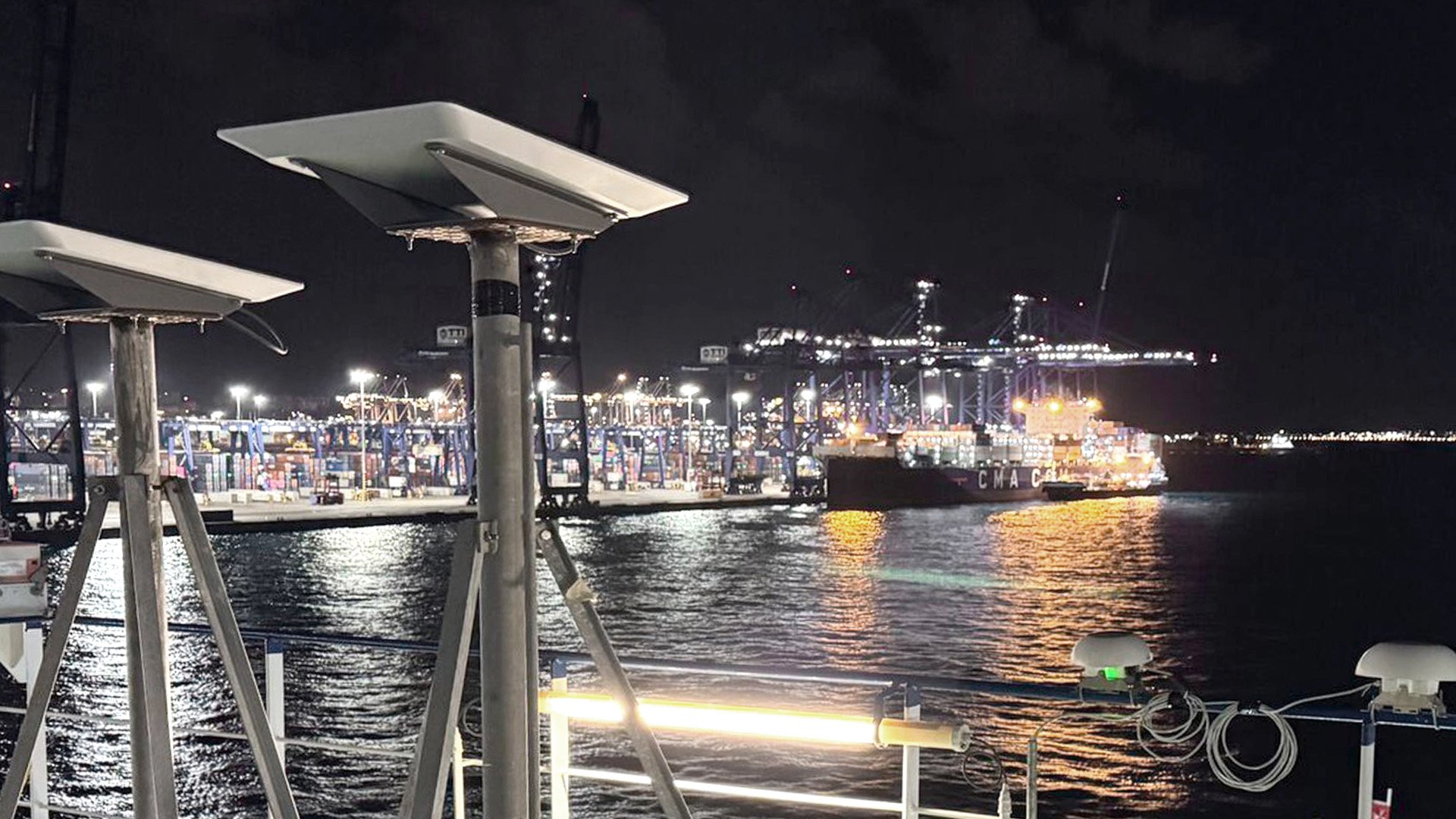
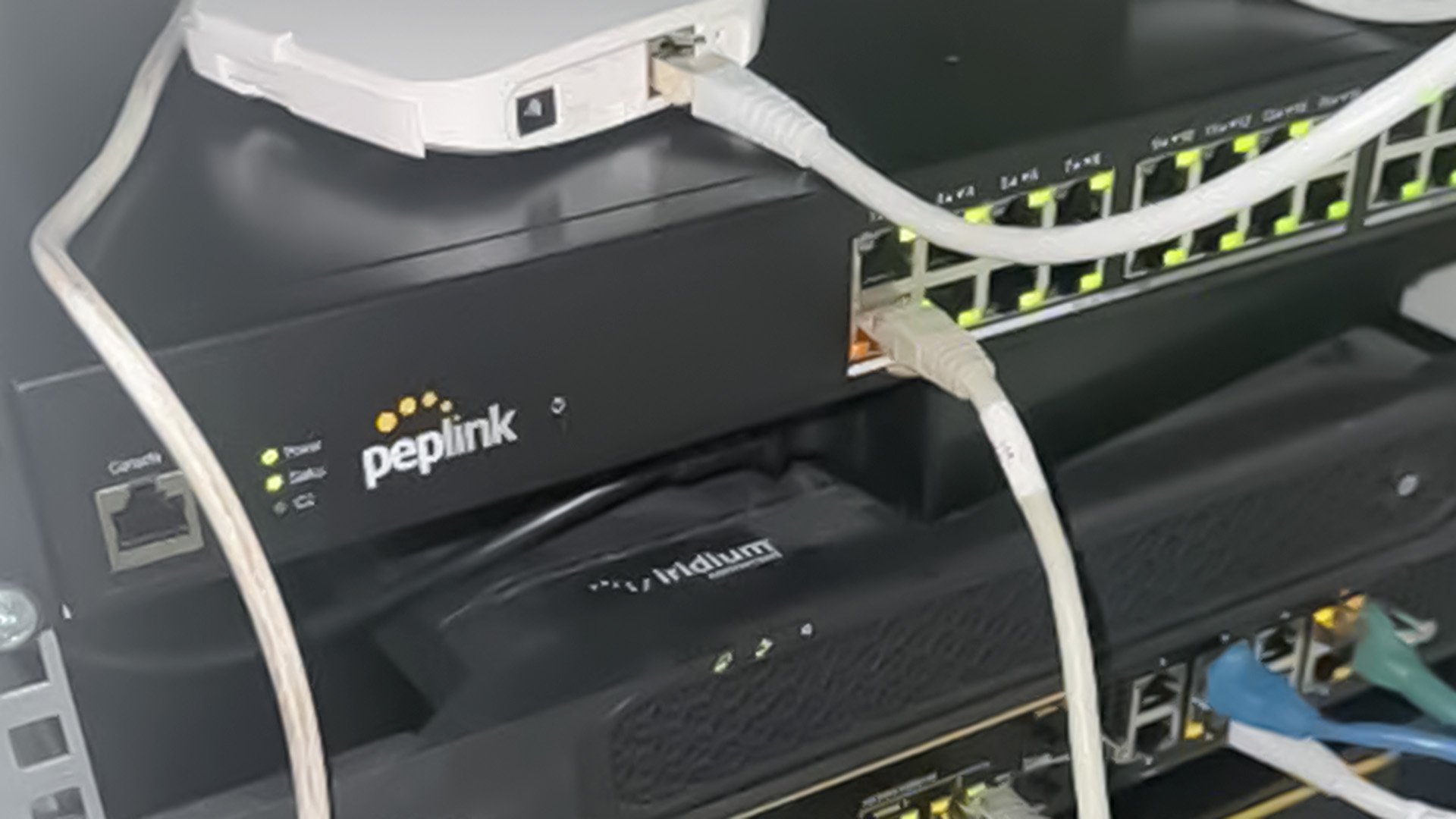
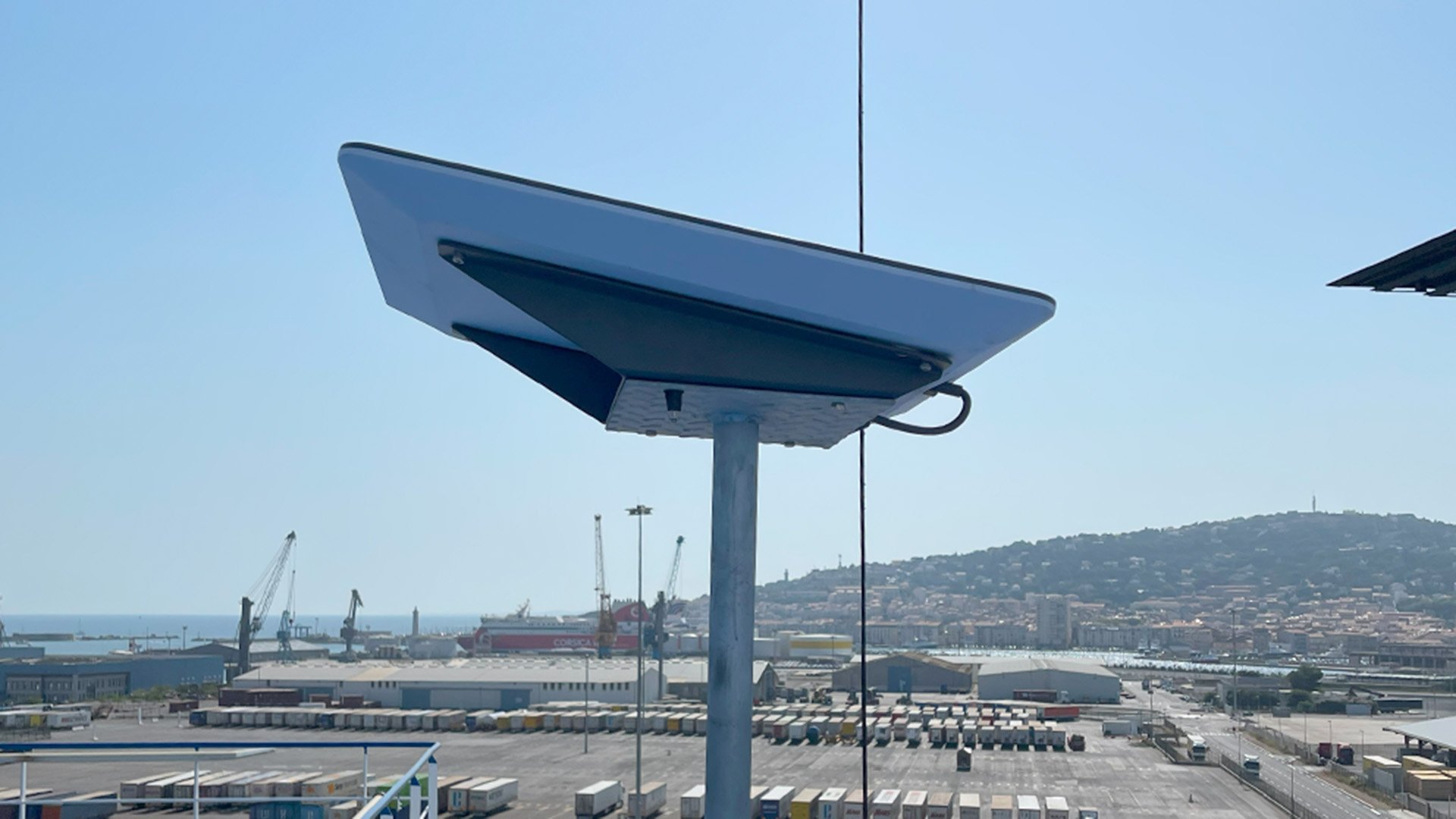
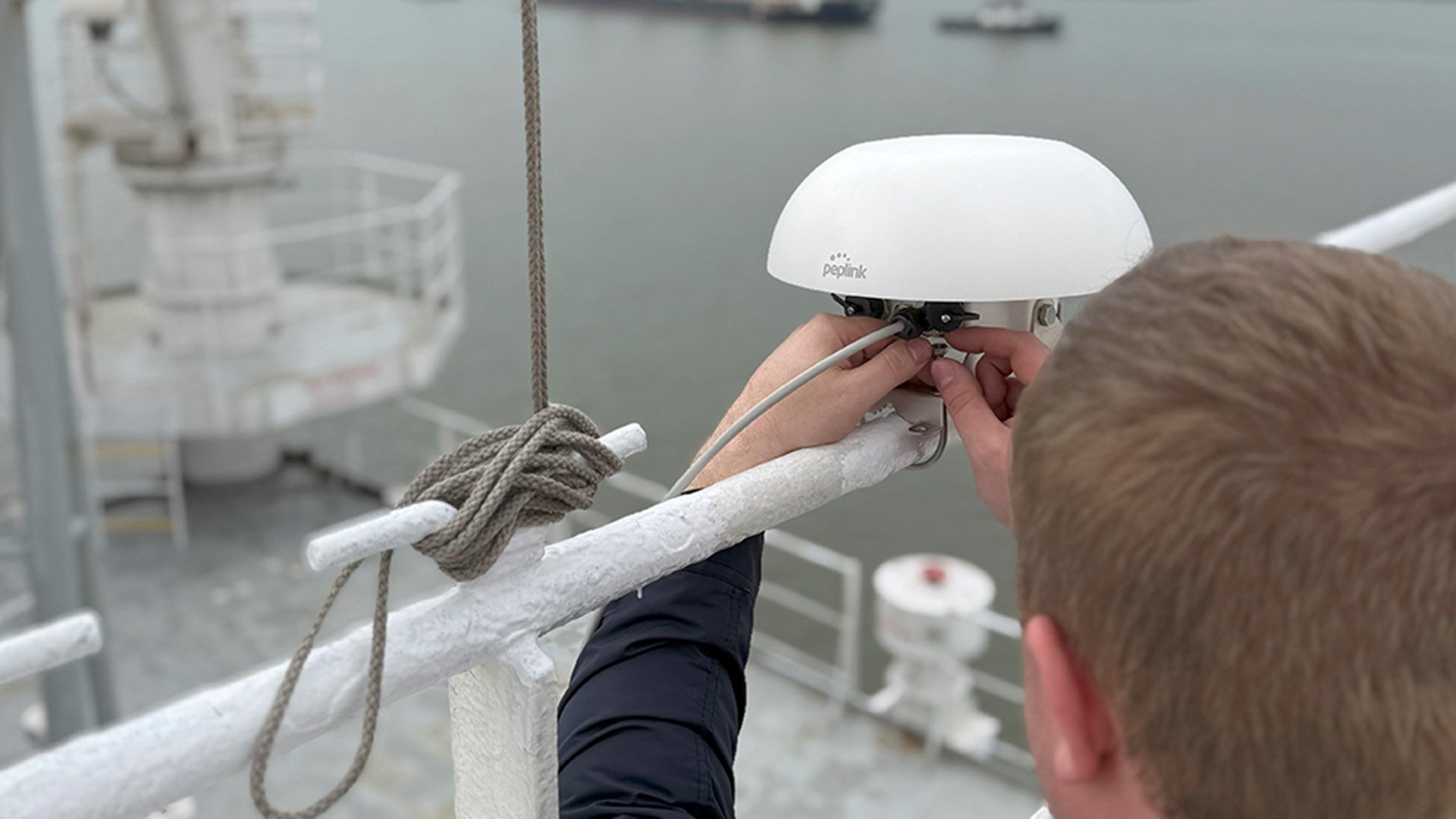
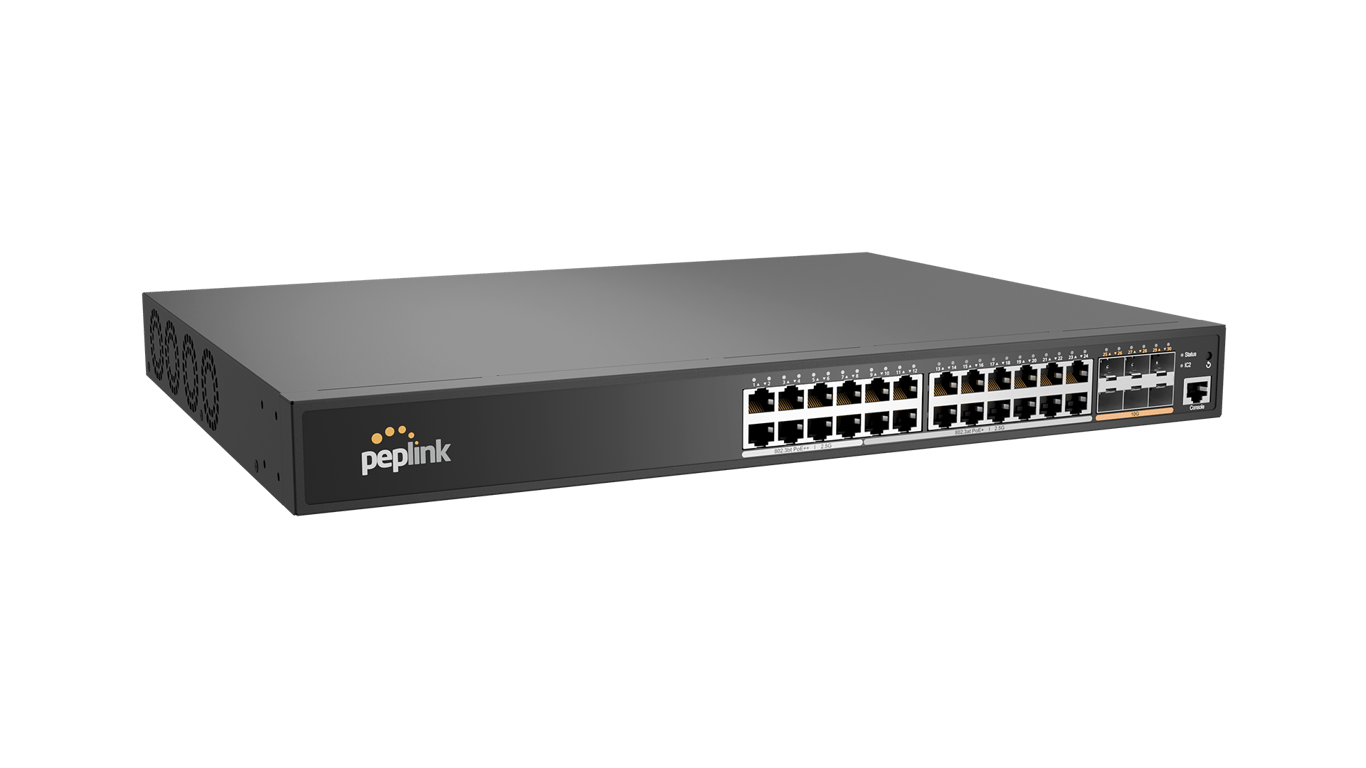
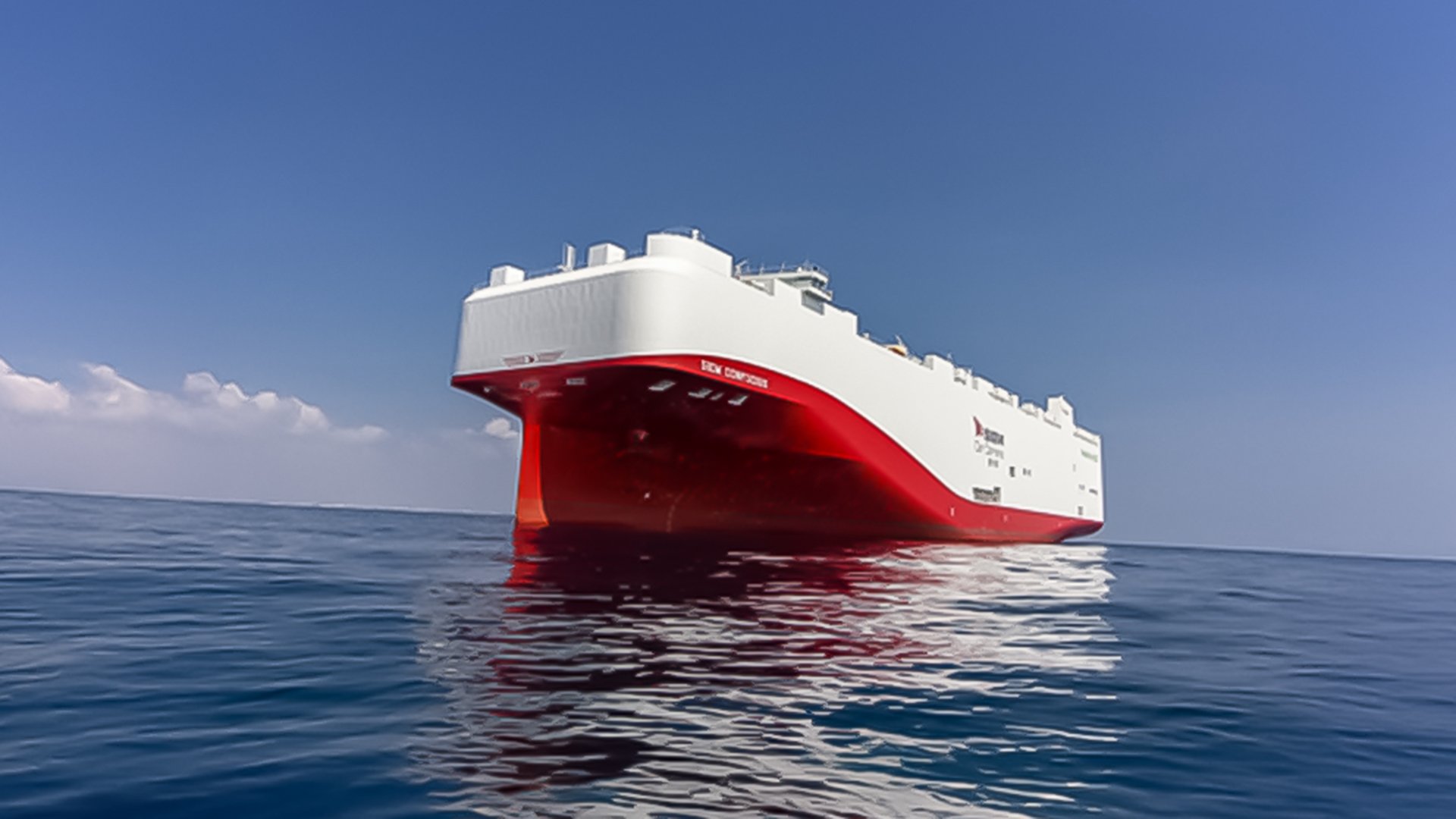
Ro-Ro vessel at sea, viewed from the waterline.Vessel mast fitted with radar and navigation equipment.Two Starlink Flat High Performance antennas on deck at night, with a container port behind.Peplink SDX Pro, 24 PoE 2.5G Switch, and B One installed in the vessel’s network rack.Peplink 5G Dome on the deck railing, with Starlink antennas and open sea beyond.Iridium unit installed below a Peplink switch in the vessel’s network rack.Flat High Performance antenna on the vessel, with the port in the background.Technician installing a Peplink 5G Dome on the vessel’s railing.

Deployment Architecture

SIEM Shipping maritime connectivity diagram: Starlink, 5G, Iridium, and a B One backup unit on a Peplink SDX via InControl.SIEM Shipping maritime connectivity diagram: Starlink, 5G, Iridium, and a B One backup unit on a Peplink SDX via InControl.

FAQs

Q1. How do ships stay connected when they sail out of Starlink or cellular coverage?
A.
Ships stay connected outside Starlink or cellular range by running several connection types through one multi-WAN router. The router ranks those links by priority and moves traffic to the next available one when a link drops. A global satellite service such as Iridium Certus can sit last in that order as satellite failover for critical ship systems. Peplink and Iridium have partnered on a companion backup solution that pairs multi-WAN routing with global satellite coverage.
Q2. How far offshore can 5G maritime connectivity reach?
A.
5G maritime connectivity range depends on the antenna setup and the distance to shore-based cell towers. Placing the cellular router next to its antennas, as Peplink’s Dome series and Antenna MAX do, reduces the signal loss of long cable runs. In SIEM Shipping’s deployment, a MAX BR1 Pro 5G inside an Antenna MAX regularly reaches cellular networks up to 85 km offshore.
Q3. How can shipping companies manage onboard networks across an entire fleet?
A.
Shipping companies can manage onboard networks across a fleet through a cloud management platform. IT teams can then configure devices, monitor data usage, and control crew internet access remotely, without sending technicians onboard. Many operators also use a solution provider for managed maritime network services, from design to ongoing support. Peplink InControl brings these tasks onto one dashboard.
Q4. What Peplink products are suitable for maritime connectivity?
A.
The right Peplink products for maritime connectivity depend on vessel size, crew numbers, routes, and available connections such as Starlink, 5G, or VSAT. Options include outdoor Dome units for cellular at sea, BR Series mobile routers, and enterprise routers like the SDX for managing many WAN links. The Peplink for Maritime Connectivity brochure outlines more options, and a Peplink certified partner can match hardware to your fleet.
Seafar relies on Peplink for shore-based teleoperation across a growing vessel fleet, while a U.S. fishing trawler uses Peplink with Starlink to keep its crew connected at sea. See more in the Peplink maritime case studies.

Next Steps

Looking for a Connectivity Solution?

Whether you're planning an event, a remote deployment, or a complex network, our team can help you find the right Peplink setup for the job.

Talk to a Specialist

Got a Peplink Deployment Story?

If you've built something impressive with Peplink, we want to hear about it. Share your project with us and we'll help turn it into a case study.

Share Your Story

Contact Us